
 mohdasif
In an era where digital transformation touches every corner of the enterprise, the humble fax might seem like a relic of the past. Yet, online fax services have quietly become a cornerstone of secure, compliant, and cost‑effective communication for contemporary organizations. Whether you’re a startup navigating the Top free iPhone Apps market, a mid‑size firm exploring 20 + Steps for app promotion, or a large enterprise leveraging the Windows 10 Creators Update, the ability to send a fax without a physical machine is a strategic advantage.
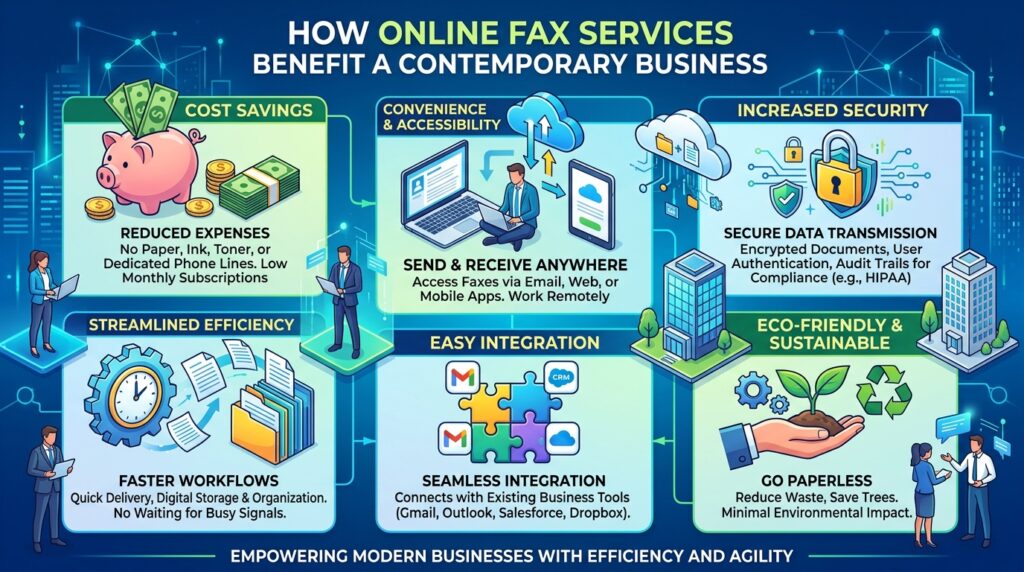
1. Seamless Integration with Existing Digital Workflows
Modern businesses rely on a suite of tools—CRM platforms, project management apps, and cloud storage services. Online fax solutions are designed to integrate directly with these ecosystems, eliminating the need for manual data entry or file conversions.
- Pros: Reduces workflow friction; supports API access for custom automation.
- Cons:: Requires initial setup time to map fax endpoints to internal systems.
For teams already using Best Practices for Designing mobile experiences, incorporating fax into a native app can be achieved with just a few lines of code, thanks to robust SDKs offered by leading providers.
How IoT Enhances Secure Document Exchange
While the Internet of Things (IoT) is often discussed in the context of smart devices, its role in securing document transmission is gaining traction. By embedding encrypted communication channels into IoT gateways, companies can ensure that faxed documents remain tamper‑proof during transit.
How can IoT be effectively integrated into computer vision pipelines to verify the authenticity of received faxes? The answer lies in combining image‑based verification with blockchain‑based audit trails—a topic we explore later in this guide.
2. Cost Efficiency Without Compromising Quality
Traditional fax machines demand hardware purchases, maintenance contracts, and consumables like paper and ink. Online fax eliminates these recurring expenses, delivering a pay‑as‑you‑go or subscription model that scales with usage.
| Provider | Free Tier | Starting Price/Mo | Key Security Feature |
|---|---|---|---|
| eFax | Yes (30 days) | $14.95 | AES‑256 encryption |
| SRF | Yes (10 faxes) | $9.99 | SOC 2 compliance |
| Fax.works | Yes (5 faxes) | $7.99 | End‑to‑end TLS |
| CocoFax | No | $5.99 | HIPAA‑ready |
Pros: Lower total cost of ownership; predictable monthly budgeting.
Cons: Some free tiers impose limits on monthly fax volume, which may not suit high‑frequency users.
3. Mobility and Remote Access
With the rise of hybrid work models, employees often need to sign contracts, submit invoices, or exchange confidential documents while on the move. Online fax services provide native mobile apps for iOS and Android, enabling users to send and receive faxes directly from their smartphones or tablets.
For iOS users seeking additional productivity tools, our roundup of the Top free iPhone Apps includes several fax‑enabled utilities that integrate with cloud storage services like Google Drive and Dropbox.
Mobile‑First Design Considerations
When designing a mobile‑first experience, Best Practices for Designing emphasize intuitive navigation, fast load times, and accessibility. Applying these principles to fax apps ensures that users can complete a transmission in under 30 seconds, even on a cellular connection.
4. Compliance and Legal Acceptance
Regulatory frameworks such as HIPAA, GDPR, and the U.S. ESIGN Act recognize electronic fax as a legally binding method of document exchange, provided that the service meets specific security and audit‑trail requirements.
Businesses operating in highly regulated sectors can select vendors that offer:
- End‑to‑end encryption.
- Detailed audit logs for each fax transaction.
- Data residency options to comply with local data‑sovereignty laws.
Pros: Meets industry‑specific compliance mandates without additional paperwork.
Cons: Premium compliance features often reside behind higher‑priced plans.
5. Environmental Impact and Sustainability
Reducing paper consumption aligns with corporate sustainability goals. By transitioning to digital fax, companies can:
- Save thousands of sheets of paper annually.
- Lower carbon emissions associated with printing and distribution.
- Demonstrate a commitment to eco‑friendly practices to stakeholders.
These benefits resonate especially with investors and customers who prioritize ESG (Environmental, Social, Governance) criteria.
6. Scalability for Growing Enterprises
As a business expands, its communication needs evolve. Online fax platforms typically offer tiered pricing that allows seamless scaling from a few dozen faxes per month to several thousand, without the need for new hardware procurement.
For those looking to promote their scaling journey, our guide on 20 + Steps for effective app promotion provides actionable insights on leveraging digital channels—including fax—to reach new markets.
Conclusion & Call‑to‑Action
Online fax services are no longer a niche solution for legacy enterprises; they are a strategic asset for modern businesses seeking security, cost savings, and flexibility. By selecting a reputable provider that aligns with your compliance, budgetary, and mobility requirements, you can unlock a communication channel that complements your existing digital stack.
Ready to modernize your faxing workflow? Explore the Best Alternatives for Invoice2go to discover integrated invoicing tools that work hand‑in‑hand with your new fax solution.
Frequently Asked Questions
1. Are online fax services compatible with existing email systems?
Yes. Most providers allow you to send faxes by simply attaching a PDF or image to an email, and received faxes appear directly in your inbox. This seamless bridge reduces the learning curve for staff already accustomed to email workflows.
2. How secure are faxes transmitted over the internet?
Leading services employ AES‑256 encryption, TLS tunneling, and multi‑factor authentication to protect data in transit and at rest. Always verify that the provider complies with relevant industry standards (e.g., HIPAA, SOC 2).
3. Can I receive faxes on multiple devices simultaneously?
Absolutely. Cloud‑based fax platforms sync across smartphones, tablets, and desktop applications, ensuring that you never miss an important transmission regardless of the device you’re using.
4. What happens to my fax documents after they are archived?
Most services store faxes in encrypted cloud storage for a configurable retention period. You can also export them to your preferred cloud repository (e.g., Google Drive, OneDrive) for long‑term archiving.
5. Do I need a dedicated phone number for each fax line?
Not necessarily. Many providers offer virtual fax numbers that can be shared across users or departments, and some even support toll‑free or local numbers based on your geographic needs.
6. Is it possible to integrate fax functionality into custom software?
Yes. Providers typically offer RESTful APIs and SDKs that enable developers to embed fax sending/receiving capabilities directly into proprietary applications, facilitating automated workflows.
7. How does online fax compare to traditional fax in terms of cost?
Online fax eliminates hardware purchase, maintenance, and consumable expenses. Subscription plans often start under $10 per month, making it a more economical choice for most businesses.
8. Can I send a fax to an international recipient?
Yes. Most services support global faxing, allowing you to send documents to any fax number worldwide, often at a flat rate per page.
Embrace the future of secure communication—upgrade to an online fax service today and experience the blend of reliability, affordability, and flexibility that modern enterprises demand.


 Tanish Patel
 sofiamurphy
 Lewis Parkes
 United States
 United Kingdom
 India
India Canada
 Singapore


![10 Benefits of the Internet of Things You Should Know [2025]](https://www.appstory.org/wp-content/uploads/2025/03/ATS-10-Benefits-of-the-Internet-of-Things-You-Should-Know-2025@2x-80x60.png)


