

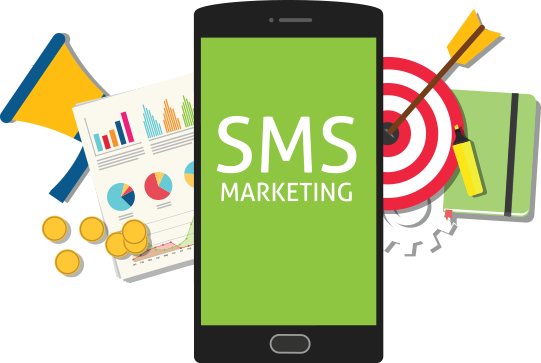
In the fast‑evolving landscape of 2026, SMS marketing remains one of the most direct, cost‑effective, and measurable ways to walk around your business in the minds of your customers. Whether you are a boutique retailer, a SaaS startup, or a local service provider, a well‑crafted text message can cut through the noise, drive engagement, and ultimately boost revenue. This guide walks you through the latest tactics, pros and cons of each feature, a side‑by‑side comparison table, and a robust FAQ that answers the most pressing questions for marketers today.
Why SMS Marketing Still Dominates in 2026
Even with the rise of push notifications, email automations, and social media ads, SMS still boasts an open rate above 98 % and an average response time of under three minutes. These numbers make it the gold standard for time‑sensitive promotions, appointment reminders, and real‑time alerts.
Key Advantages (Pros) of SMS Marketing
- Instant Delivery: Messages arrive in seconds, perfect for flash sales or urgent updates.
- High Open Rates: Up to 98 % of texts are read, far surpassing email’s 20‑30 % average.
- Cost‑Effective: Average cost per message is under $0.01, making bulk campaigns affordable.
- Permission‑Based List: Customers opt‑in, ensuring higher relevance and lower spam complaints.
- Two‑Way Communication: Enables conversational marketing, surveys, and real‑time support.
Potential Drawbacks (Cons) to Consider
- Character Limit: 160‑character constraint can restrict complex messaging.
- Regulatory Compliance: Must adhere to TCPA, GDPR, and local opt‑in rules.
- Limited Rich Media: No images or videos without MMS, which can increase costs.
- Opt‑Out Risk: Poor frequency can lead to subscriber churn.
Core Features of Modern SMS Marketing Platforms (2026)
Today’s SMS solutions go far beyond simple text blasts. They integrate automation, AI‑driven segmentation, and rich analytics to help you walk around your business with precision.
Feature Overview – Pros & Cons
| Feature | Description | Pros | Cons |
|---|---|---|---|
| Bulk SMS Sending | Send thousands of messages with a single click. | Scalable, fast, cost‑effective. | Requires careful list segmentation to avoid spam. |
| Automation & Triggers | Automated workflows based on user actions (e.g., purchase, cart abandonment). | Saves time, increases conversion. | Initial setup can be technical. |
| Two‑Way Messaging | Allows customers to reply, enabling conversations. | Boosts engagement, improves Voice of the Customer(VOC) insights. | Requires staffing to monitor replies. |
| Advanced Segmentation | Group contacts by behavior, location, or purchase history. | Higher relevance, better ROI. | Segmentation rules need regular updating. |
| API & Integrations | Connects with CRMs, e‑commerce platforms, and analytics tools. | Seamless data flow, richer reporting. | May involve additional development cost. |
Implementing a “Walk Around Your Business” Strategy
“Walking around your business” is a metaphor for showcasing the day‑to‑day reality of your brand through authentic, timely SMS messages. Here’s a step‑by‑step framework to turn that concept into a measurable campaign.
Step 1 – Define Your Objective
Whether you aim to increase repeat purchases, gather feedback, or promote an event, a clear goal guides every subsequent decision.
Step 2 – Build a Permission‑Based List
Use opt‑in forms on your website, in‑store sign‑ups, or QR codes on packaging. Offer a value exchange such as a 10 % discount for subscribing.
Step 3 – Craft Contextual Content
Leverage event‑based triggers to send timely messages:
- “Your order #1234 is out for delivery – track it now!”
- “Exclusive flash sale – 30 % off for the next 2 hours only!”
- “We’re hiring! Join our team – apply via this link.”
Step 4 – Test, Measure, Iterate
Run A/B tests on sender ID, timing, and call‑to‑action (CTA). Use metrics like CTR, conversion rate, and opt‑out rate to refine future sends.
Pros & Cons of the Walk‑Around Approach
- Pros: Humanizes the brand, drives immediacy, enhances Top 6 Best iPhone style app engagement.
- Cons: Requires continuous content creation, risk of message fatigue if over‑used.
HTML Comparison Table: Top SMS Platforms in 2026
Below is a quick‑reference table that pits the most popular SMS service providers against each other. Use it to decide which platform aligns best with your walk‑around strategy.
| Platform | Starting Price (per SMS) | Key Features | Best For | Pros | Cons |
|---|---|---|---|---|---|
| Twilio | $0.0075 | API, AI‑driven routing, global coverage | Enterprise & developers | Scalable, robust docs | Higher cost for premium features |
| MessageBird | $0.009 | Omnichannel, chatbot integration | Mid‑size businesses | Unified inbox | Limited free tier |
| Plivo | $0.006 | High‑throughput, simple UI | Start‑ups & e‑commerce | Affordable, fast delivery | Less advanced analytics |
| Vonage (formerly Nexmo) | $0.008 | Number verification, two‑way messaging | Customer support focus | Strong verification tools | Complex pricing tiers |
| SmsGateway.me | $0.0045 | Bulk sending, basic automation | Small businesses & NGOs | Very low cost | Limited support, no AI routing |
Integrating SMS with Other Marketing Channels
For maximum impact, synchronize SMS with your broader digital ecosystem. Here are some natural synergies:
- Cross‑promote with YouTube Alternative Apps for your video content to capture a tech‑savvy audience.
- Use insights from Virtual Reality: How VR to craft immersive SMS experiences (e.g., “Step into our VR demo – reply YES”).
- Leverage Top 7 Whatsapp Alternative platforms to complement SMS with chat‑based follow‑ups.
- Share exclusive e‑commerce UI kits from Free e-commerce UI Kits to help designers create landing pages that sync with SMS landing pages.
- Reference the New Technology Gadgets blog when announcing product launches via text.
Measuring Success: Metrics That Matter
Without data, any campaign is a shot in the dark. Track these KPIs to gauge the health of your SMS efforts:
- Delivery Rate: Percentage of messages successfully delivered.
- Open Rate: Immediate read rate (often >90 %).
- Click‑Through Rate (CTR): Clicks on embedded links or CTAs.
- Conversion Rate: Desired actions (purchase, sign‑up) divided by clicks.
- Opt‑Out Rate: Unsubscribes per campaign – keep below 0.5 %.
- Revenue per Message: Total revenue generated divided by number of messages sent.
Integrate these metrics into your dashboard for real‑time adjustments.
Frequently Asked Questions
1. What is the optimal frequency for sending promotional SMS?
Most experts recommend 2‑4 messages per month for most businesses. Over‑messaging can increase opt‑outs, while under‑messaging may cause missed opportunities.
2. How do I ensure compliance with TCPA and GDPR?
Always obtain explicit written consent, provide a clear opt‑out keyword, and include your business name in every message. Store consent records securely.
3. Can SMS be used for non‑promotional purposes?
Absolutely. Use cases include appointment reminders, order status updates, fraud alerts, and internal team notifications.
4. Is MMS worth the extra cost?
MMS allows images, GIFs, or short videos. If visual storytelling adds value (e.g., product demos), the higher cost can boost engagement.
5. How can I measure the ROI of an SMS campaign?
Calculate Revenue per Message by dividing total revenue generated by the number of messages sent, then compare against the campaign’s cost.
6. What role does the “Voice of the Customer” play in SMS strategy?
Collecting feedback via SMS surveys provides direct Voice of the Customer(VOC) insights, enabling you to refine offers and improve the overall experience.
Conclusion & Call to Action
When executed thoughtfully, SMS marketing lets you literally walk around your business in the palms of your customers, delivering timely, personalized messages that drive loyalty and sales. Leverage the pros, mitigate the cons, and choose a platform that aligns with your growth stage. Ready to supercharge your outreach? Explore more expert guides on AppStory.org and start crafting SMS campaigns that convert.

![10 Benefits of the Internet of Things You Should Know [2027]](https://www.appstory.org/wp-content/uploads/2025/03/ATS-10-Benefits-of-the-Internet-of-Things-You-Should-Know-2025@2x-300x142.png)